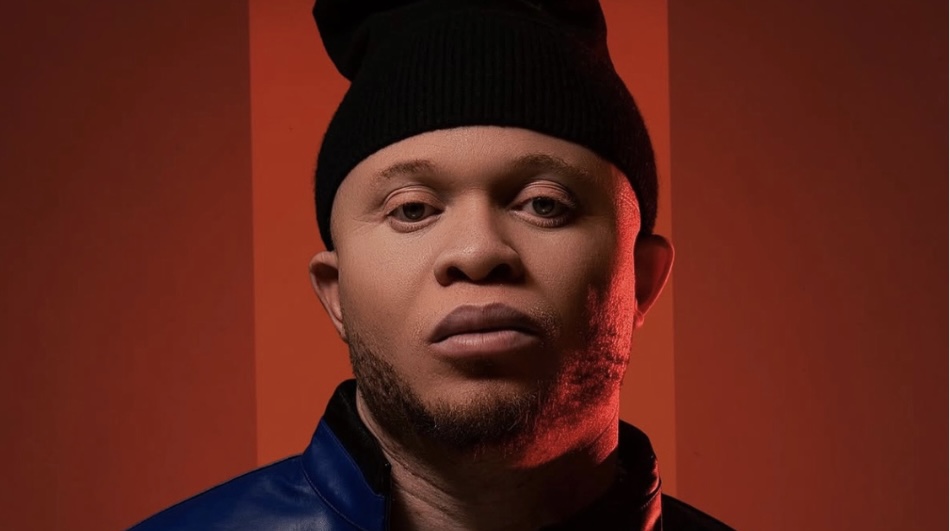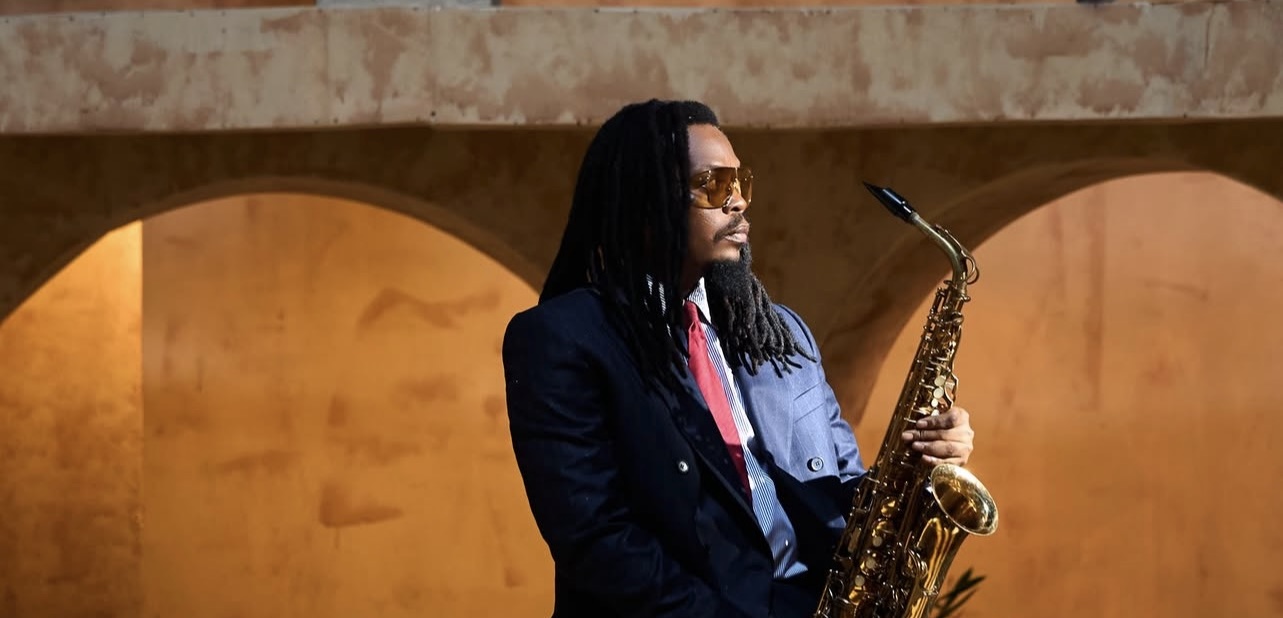

With his fifth studio album, Fireboy DML embraces the name people tried to mock him with, exploring a new musical identity and chapter built around self-discovery, confidence and creative freedom.
As an artist who has spent the better part of seven years establishing a recognisable musical identity, changing the way audiences perceive him is no small task. But Fireboy DML appears comfortable with that challenge. With the release of ZUKO!, his fifth studio album, the Nigerian singer is doing more than introducing a new collection of songs. He is presenting a different version of himself, one that embraces a new identity, confronts personal experiences and stretches beyond some of the expectations that have followed his career.
Released on October 16, 2026, through YBNL Nation and EMPIRE, the 13-track project arrives two years after Adedamola. Its opening numbers suggest that audiences were ready for the next chapter. ZUKO! recorded 1,209,019 streams on Spotify Nigeria on its first day, contributing to a reported 1.63 million global Spotify streams during the same period. It is a notable opening for an album whose biggest statement may have less to do with commercial performance and more to do with artistic identity.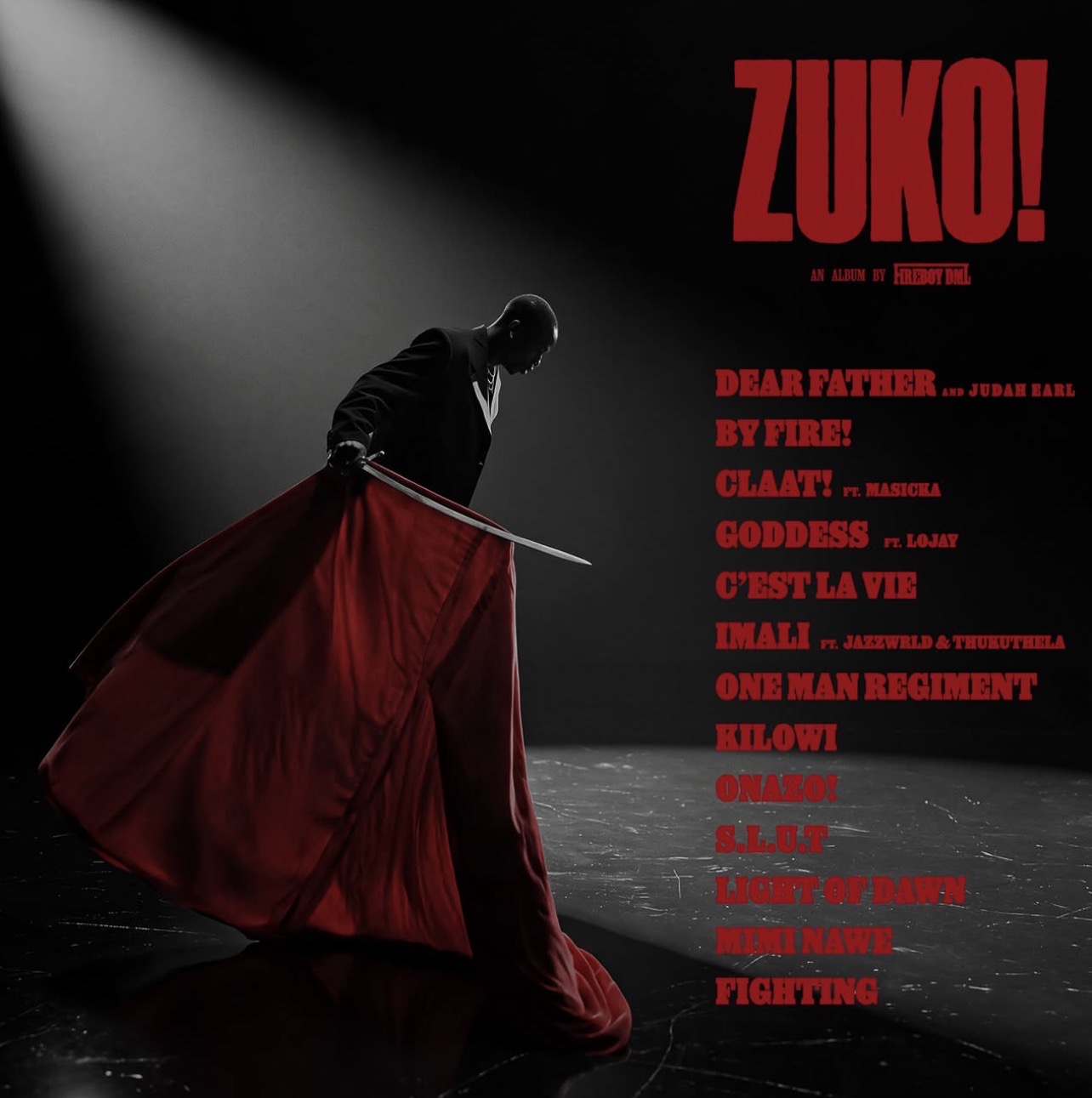
FROM FIREBOY TO ZUKO
The most interesting part of this new era begins with the name. ZUKO is a reference to "Prince Zuko", the character from the animated series "Avatar: The Last Airbender". But Fireboy's connection to the name has an unexpected origin. In an interview with Sleek Magazine, he revealed that rival fans had tried to use "Zuko" as a mocking alias for him on social media so rather than reject the name, he found something appealing in it. He associated the name with passion and strength, qualities that aligned with the persona he wanted to represent and he did that well with the red and black color rebrand shown on his social media appearances and wardrobe choices. What began as online trolling became the foundation of an album and a new creative identity.
However, ZUKO is not simply a replacement for Fireboy DML. In his conversation with The Native, Fireboy explained that "Adedamola" was about reminding listeners that he had not lost his identity. ZUKO! on the other hand, required him to remind himself of who he was while introducing audiences to sides of his personality they might have missed. He described the project as an attempt to bridge the disconnect between how people perceived his public persona and who he understood himself to be.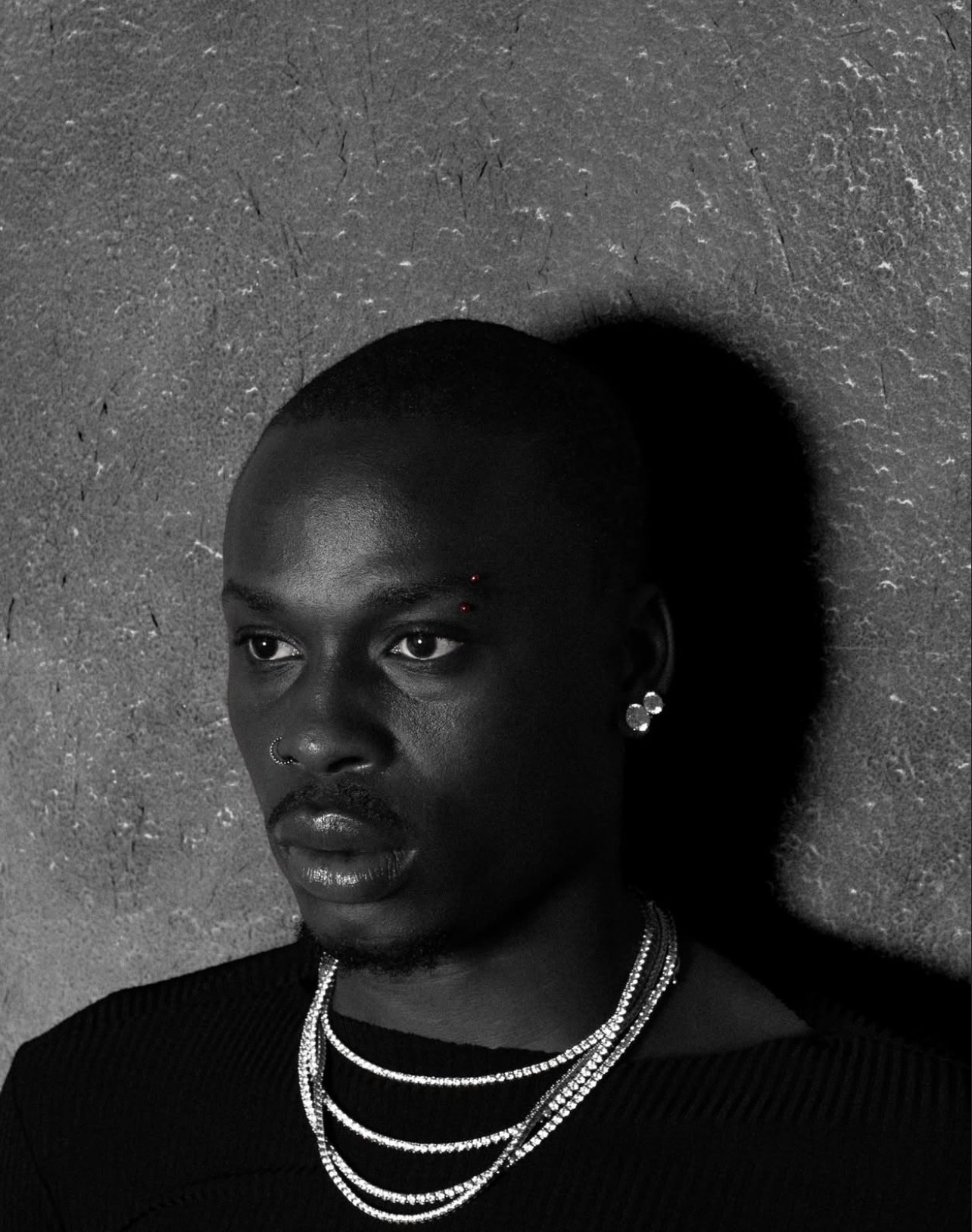
Across its 13 tracks, Fireboy moves between Afrobeats, dancehall, R&B, electronic production and South African dance influences. The arrangements are expansive, with electronic textures, choral backing vocals and production that gives several songs a much bigger, more energetic feel. The difference becomes apparent early in the album. Following the reflective opening, "DEAR FATHER," "BY FIRE!" establishes a more assertive direction. The contrast between the two tracks introduces an album that moves between vulnerability and confidence without settling into one emotional or sonic space.
The collaborations further demonstrate the range of influences at play. Jamaican dancehall star Masicka joins Fireboy on "CLAAT!", bringing a Caribbean dimension to the project. Lojay appears on "GODDESS", while South African collaborators JAZZWRLD and Thukuthela feature on "IMALI", a record rooted in the country's evolving 3-step sound. Judah Earl also appears on the opening track, "DEAR FATHER".
They are particularly significant because they extend beyond the familiar Afrobeats circuit. Fireboy is bringing together different musical styles while maintaining his own melodic sound. The rollout had already hinted at this direction; "CLAAT!" arrived on August 7, introducing the dancehall influence, before "IMALI" offered another preview of the project's South African-inspired sound.
Fireboy revealed that his sessions with JAZZWRLD and Thukuthela produced three or four records, suggesting that the relationship extends beyond their contribution to this album. Yet, despite its international collaborations, ZUKO! remains a personal project. Fireboy acknowledged that he initially wanted more features but ultimately allowed the album to develop naturally when some collaborations did not materialise.
He also recognised that Nigerian audiences enjoy seeing familiar names on album tracklist. Still, he was comfortable with the final result, explaining that the project was personal enough to require a different approach. It is a decision that allows the guest appearances to complement the album rather than define it.
Beyond the sound and collaborations, the album's emotional direction provides a clearer understanding of why Fireboy considers this a reintroduction.
"DEAR FATHER" opens the project as a conversation with God. In his interview with The Native, he described it as a letter of supplication, a moment of expressing his fears and asking for strength before moving forward.
The song also connects to the Zuko character's complicated relationship with his father, making the opening a deliberate reference to the album's inspiration.
Fireboy further explained that he recognised similarities between Zuko's journey of rediscovery and certain experiences in his own personal life and career.
The connection is not necessarily about recreating Prince Zuko's story. Instead, it is about drawing from the broader idea of finding one's way back to oneself after periods of uncertainty. That vulnerability carries through the album. Tracks such as "KILOWI", "MIMI NAWE" and "FIGHTING" reveal different emotional dimensions, while "ONE MAN REGIMENT" captures a more assertive side of the project.
Even the album's visual direction reinforces the narrative. Its darker aesthetic, dominated by red, introduces a departure from some of the imagery associated with previous Fireboy eras. In an interview with TUSH Magazine, he described the visual shift as representing a new era, a new way of life and a new experience.
The physical transformation accompanying the album also reflects this change. In his Wonderland interview, He discussed cutting off his locs, describing the decision as part of moving into a new version of himself after 7 years.
These choices suggest that the reintroduction extends beyond the music. The name, appearance, artwork and sound are all contributing to a more deliberate creative identity.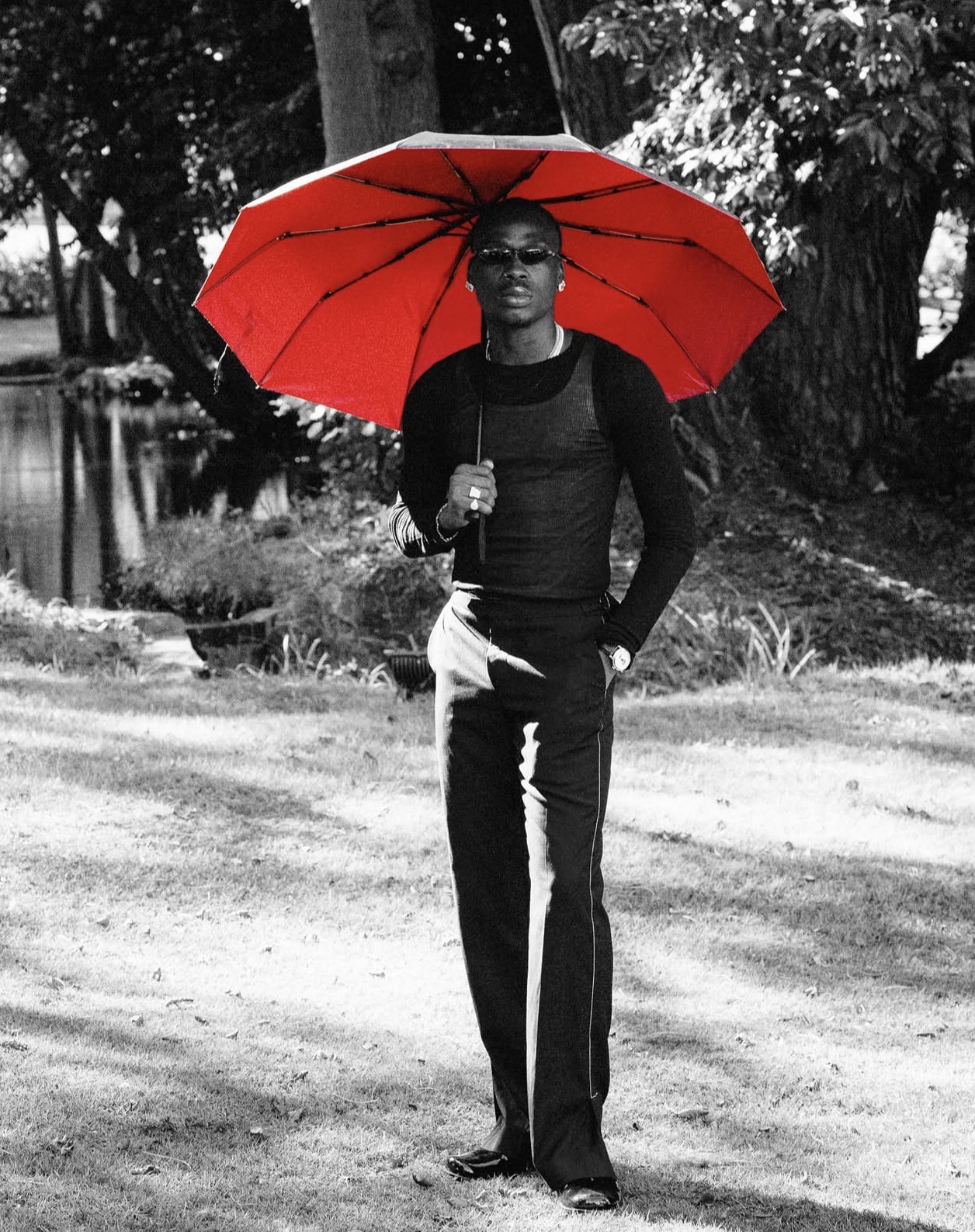
This was more than a name change. One of the strongest things about ZUKO! is that it does not require listeners to forget everything they know about Fireboy DML. His songwriting, expressive vocals and melody remain central to the project. What changes is the space he allows himself to occupy.
The album's range makes that particularly clear. "CLAAT!" and "IMALI" demonstrate his willingness to explore sounds beyond his established musical territory, while "GODDESS" and "KILOWI" retain elements of the melodic and R&B-driven approach that helped build his reputation. "KILOWI" has been described as the vital record on the project, highlighting how his familiar songwriting strengths can coexist with the album's newer production direction.
Ultimately, ZUKO! is less about abandoning Fireboy DML than giving him permission to become more than the version audiences have grown accustomed to.
The name may have started as an attempt by rival fans to mock him, but Fireboy has turned it into something he can define on his own terms. And perhaps that is the most important part of this new chapter: an artist who understands that growth sometimes requires challenging even the expectations created by his own success.
Seven years after introducing himself to the world, Fireboy is reintroducing himself to himself.